


Space data centers are emerging as a new hot topic within the AI supercycle. In this article, I’ll explain why space data centers can make sense and how investors can gain exposure to this theme.
AI data centers on Earth consume around 415 terawatt hours per year, roughly 1.5% of global electricity. The largest facilities can use up to five million gallons of water per day for cooling.
As AI workloads continue to grow, local communities are pushing back against new sites, grid approvals are becoming harder to secure, and environmental constraints are delaying or cancelling projects. Moving data centers to space could relieve pressure on Earth while providing access to continuous solar power, available 24/7, without land or water limitations.
The Pioneers
Starcloud
Starcloud, backed by NVIDIA’s Inception program and Google’s AI accelerator, has already flown a small satellite carrying an NVIDIA H100 GPU. The company demonstrated that it can run and even train AI models in orbit, including Google’s Gemma and NanoGPT.
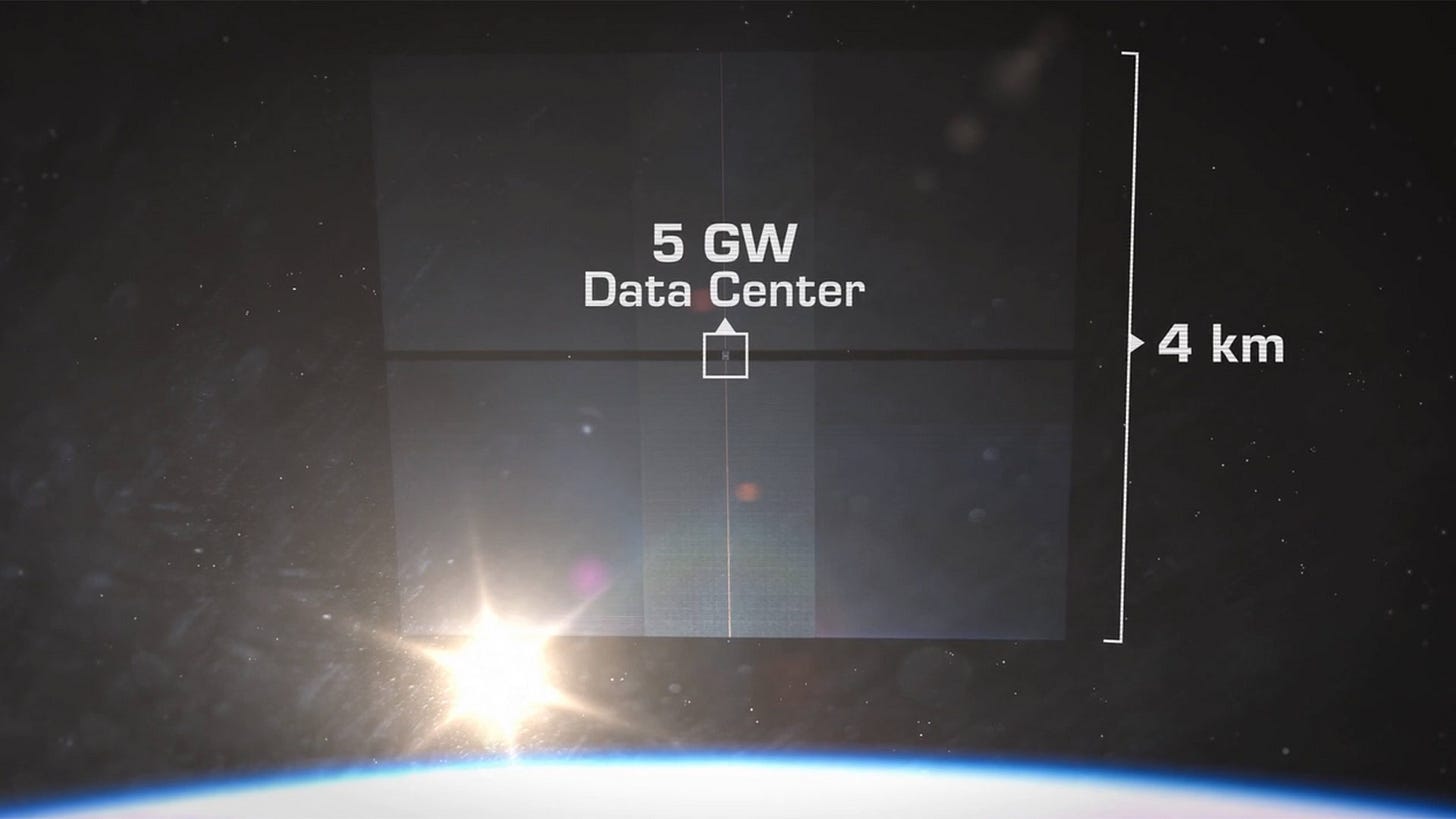
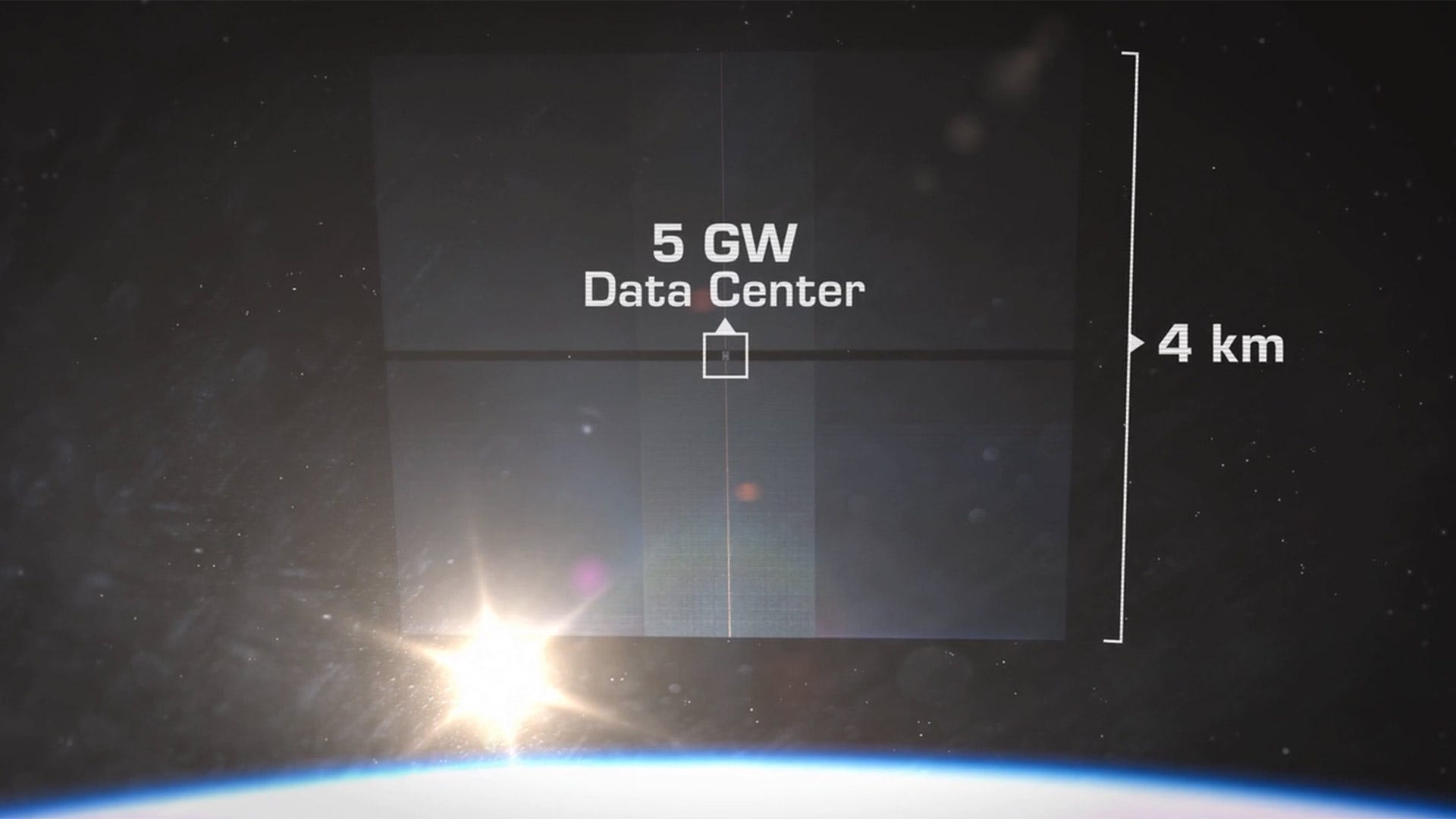
Starcloud’s public roadmap outlines a 5 gigawatt orbital data center, powered by large solar and cooling panels spanning roughly four kilometers wide and four kilometers tall. According to the company, this structure could deliver more power than the largest power plant in the United States, while remaining smaller and cheaper than an equivalent terrestrial solar farm.
Based on figures shared by Starcloud and NVIDIA, orbital data centers could achieve roughly 10 times lower energy costs and 10 times lower carbon dioxide emissions over their lifetime compared with running the same compute workloads on Earth.
Google

Google has announced Project Suncatcher, a prototype initiative that plans to send two satellites equipped with custom AI server chips into orbit in 2027.
CEO Sundar Pichai has stated that if the physics and economics prove viable, space based data centers could become normal within roughly a decade.
Blue Origin and SpaceX
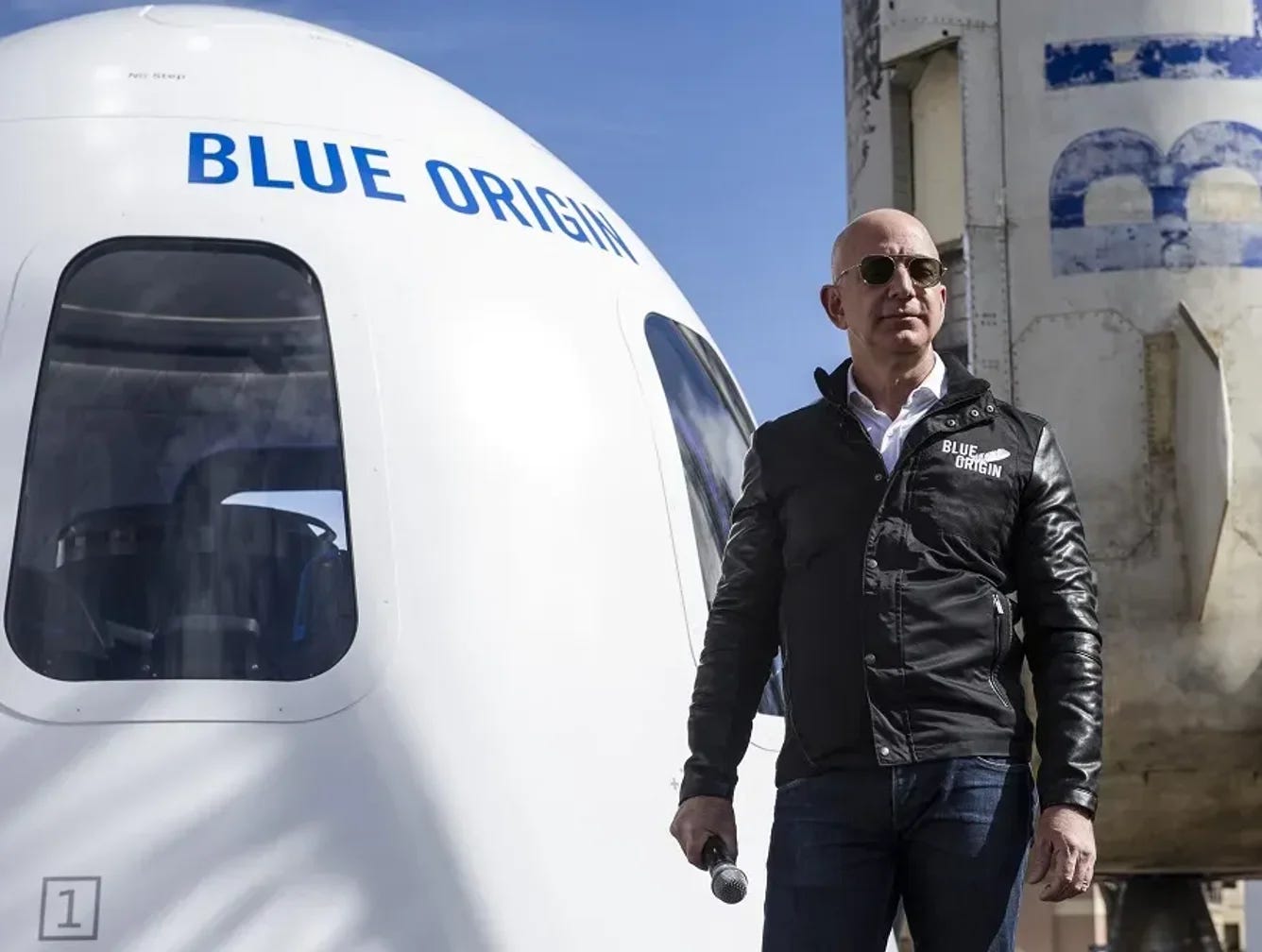
Jeff Bezos and Blue Origin are publicly positioning around gigawatt scale orbital data centers. Bezos has argued that within 10 to 20 years, continuously available solar power could make large space based facilities cheaper than terrestrial alternatives and stated that Blue Origin has been working on the required enabling technologies.
Elon Musk’s SpaceX is reportedly planning to upgrade Starlink satellites to host AI computing payloads, expanding Starlink beyond communications into in orbit compute infrastructure.
Beyond the big names, there is a growing ecosystem of smaller players:
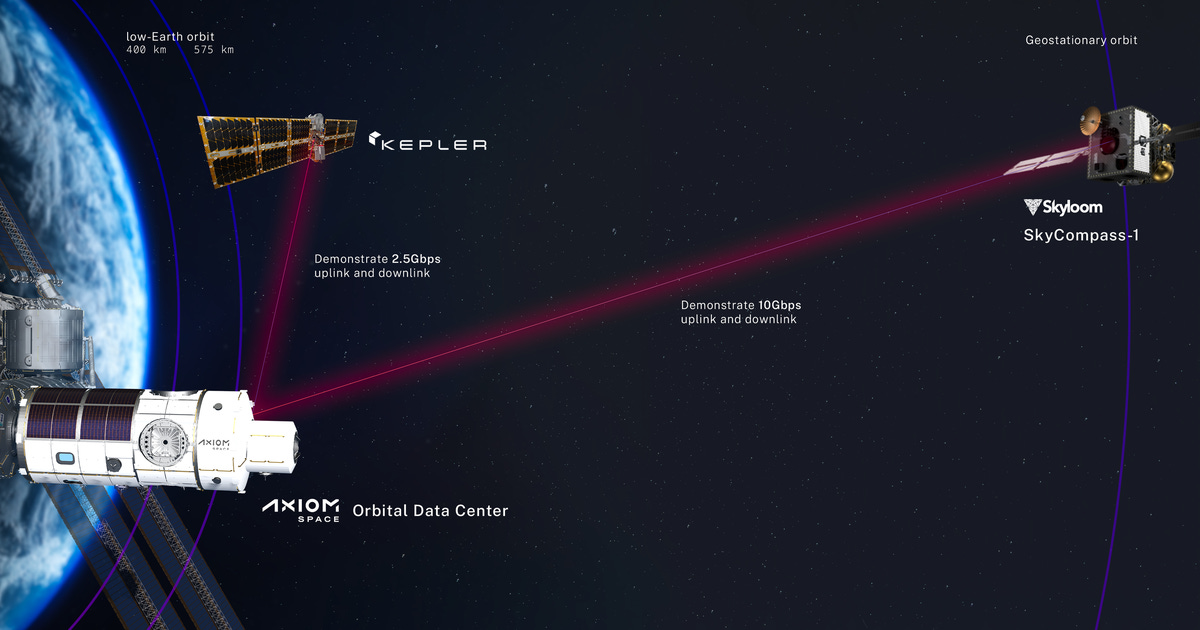
Axiom Space is deploying orbital data center nodes. A prototype is already operating on the International Space Station, running containerized workloads with Red Hat’s edge Kubernetes stack to test local processing for research and national security applications. The company plans to launch multiple dedicated nodes in low Earth orbit over the coming years.
Aetherflux has announced the Galactic Brain project, with its first AI data center satellite targeted for Q1 2027. The longer term vision includes a constellation of solar powered compute nodes, designed to bypass the five to eight year build timelines typical of large Earth based AI data centers.
Lonestar is focused on off planet data storage, including an agreement to deploy six data storage satellites with Sidus and ongoing tests of small data centers on the lunar surface.
China
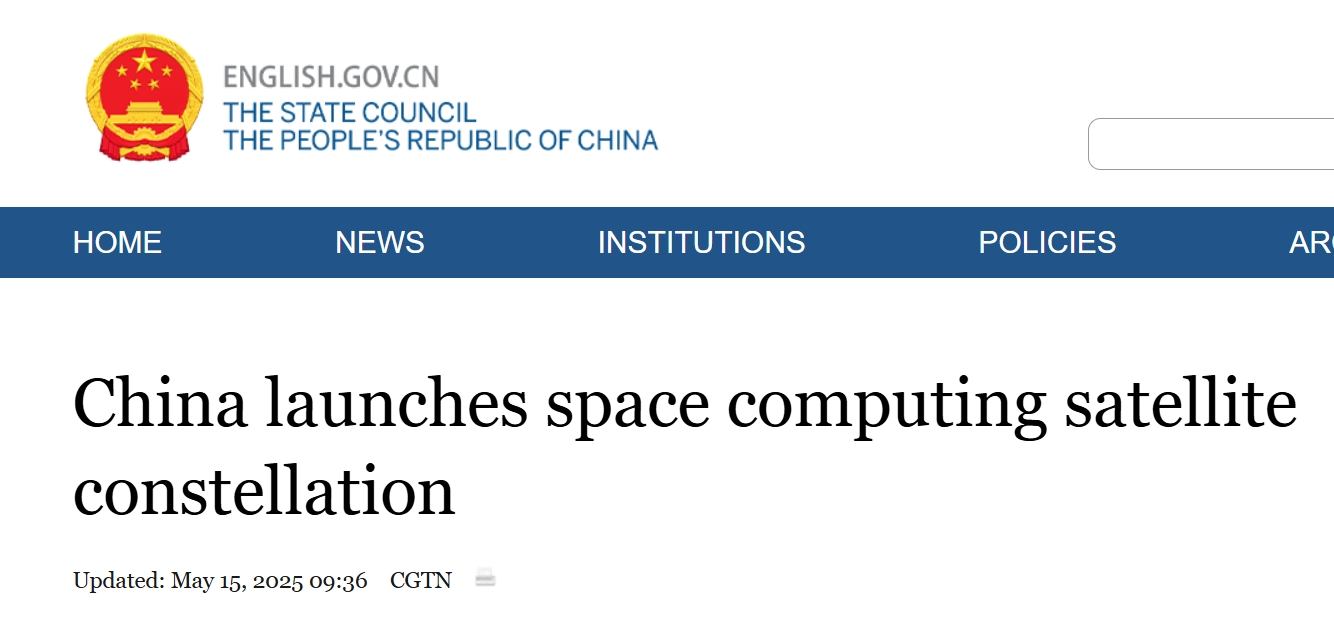
As proof that this is not just Silicon Valley’s new shiny toy, China has launched the first 12 satellites of a planned 2,800 satellite space computing constellation.
The benefits of space data centers
Energy advantage
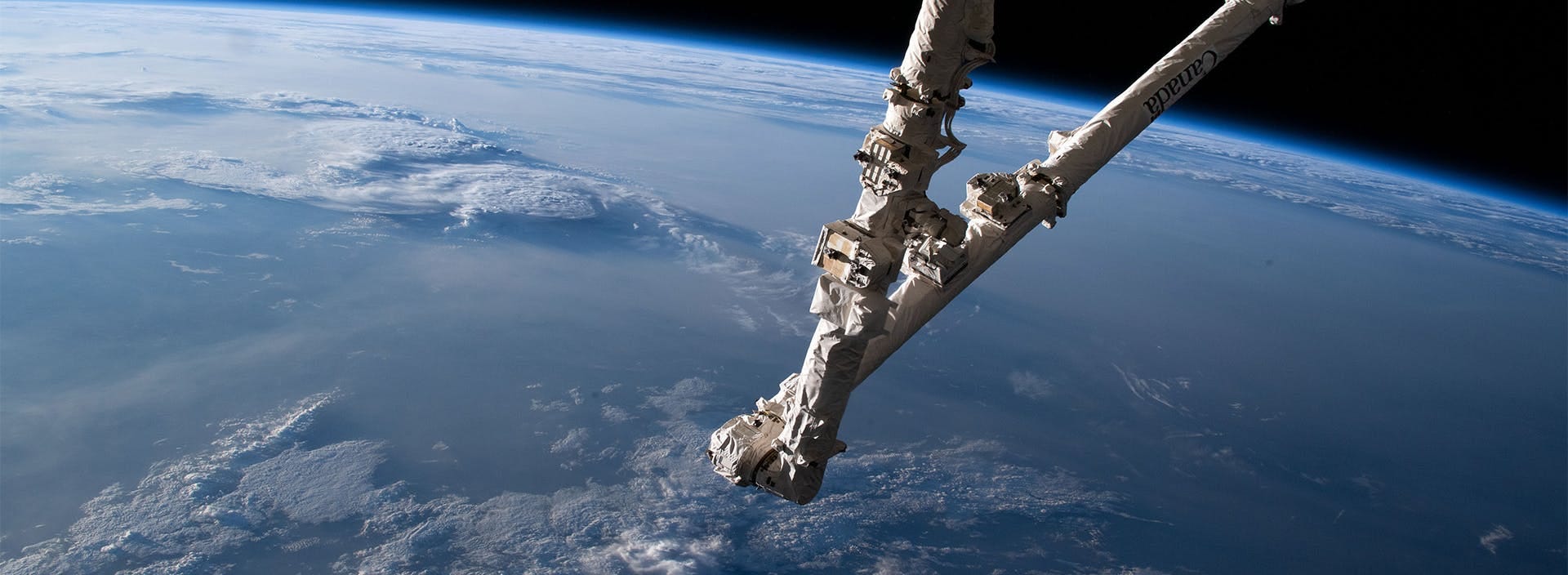
In orbit you get close to the full solar constant, around 1,361 W per square meter, versus roughly 1,000 W per square meter at sea level in perfect conditions, with no clouds and no night. That means 30 to 40% higher irradiance plus a much higher duty cycle, which directly helps the AI power bottleneck.Launch cost curve
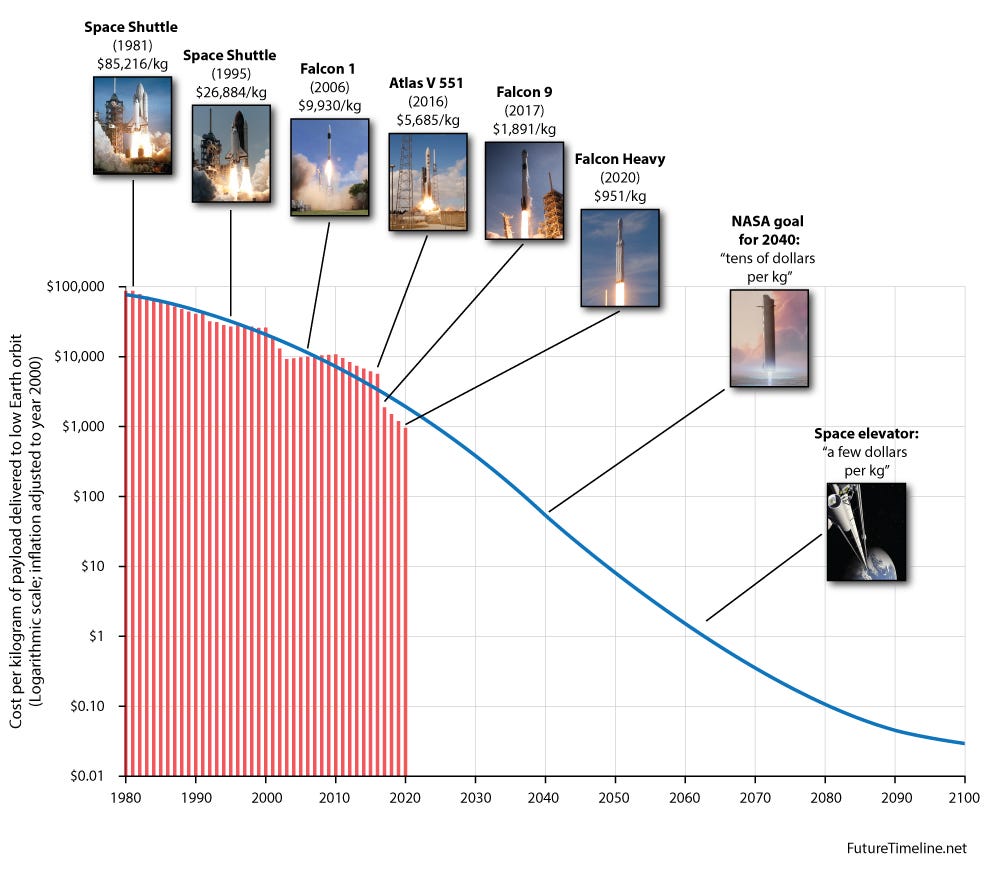
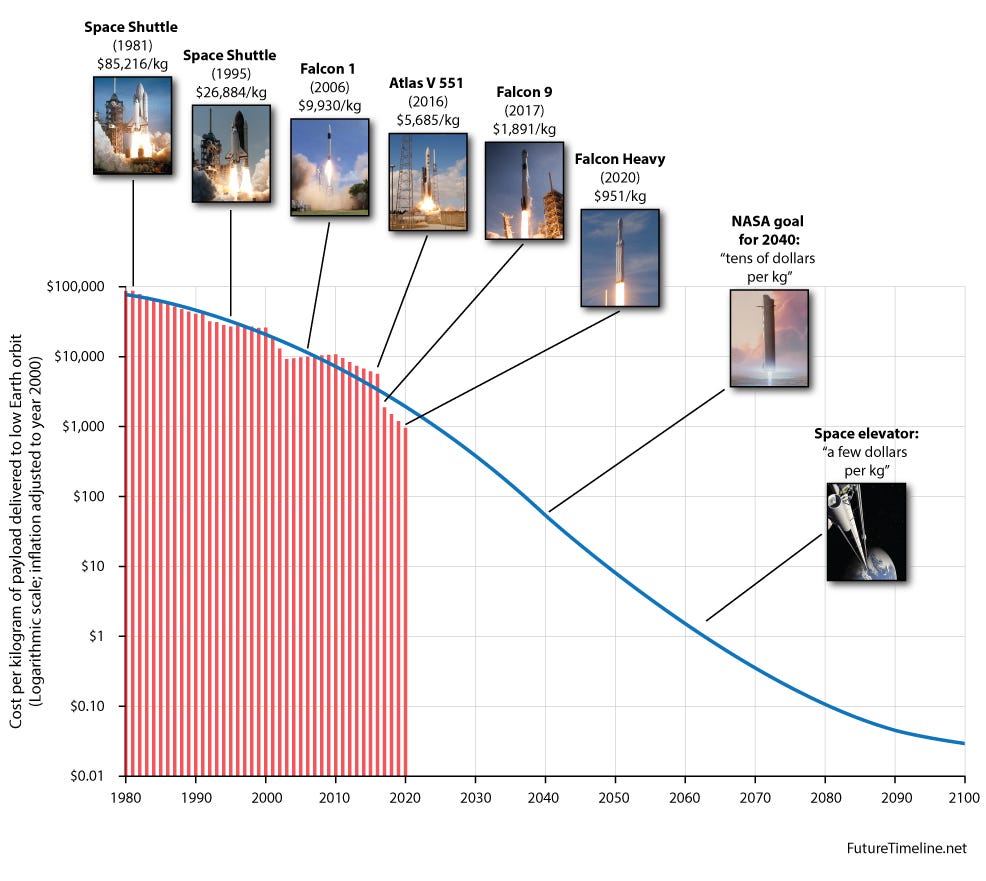
Launch costs have fallen from roughly $10,000 per kilogram historically to under $2,000 today, with optimistic projections of sub $100 per kilogram using next generation rockets. If that trajectory continues, multi gigawatt orbital solar farms start to look viable on paper.
Lower physical risk exposure
Space based infrastructure avoids many Earth based threats like floods, wildfires, hurricanes, and earthquakes, which can disrupt operations and damage high value data center assets.
The negatives
Cooling physics
High performance compute converts almost all input power into heat. On Earth, this heat can be moved into air or liquids and rejected through cooling towers or dry coolers. In space there is no air, so after transferring heat into a coolant and then into a radiator, the only remaining option is radiative heat rejection.At operating temperatures preferred by electronics, roughly 300 to 350 Kelvin, even an ideal radiator sheds only a few hundred watts per square meter. Real spacecraft radiators typically reject around 100 to 350 watts per square meter once emissivity and geometry are considered. That implies roughly 1 to 3 square meters of radiator per kilowatt of heat. For a 1 gigawatt data center, this translates into roughly 2.2 million square meters of radiator surface, effectively a structure over one kilometer on each side, making cooling the primary engineering constraint.
Radiation exposure
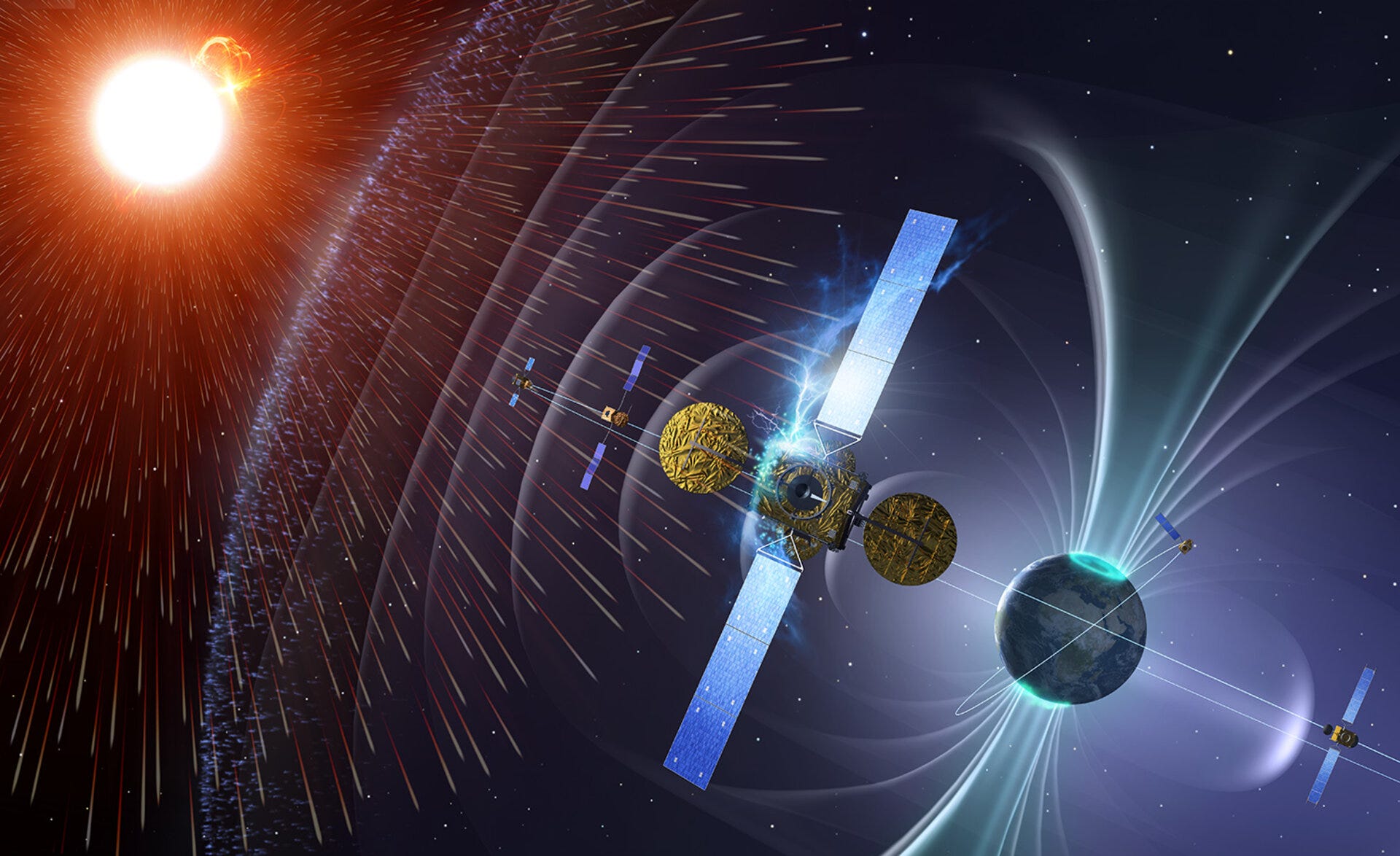
Cosmic rays and charged particles constantly impact orbital hardware, causing bit flips and long term material degradation. Mitigation through error correction, redundancy, and radiation hardening increases cost, reduces effective performance, and raises power consumption, which further worsens the cooling challenge.Latency constraints
For many AI training workloads, the bottleneck is not raw FLOPs, but synchronization latency across high bandwidth interconnects measured in microseconds. Placing a cluster in low Earth orbit introduces tens of milliseconds of round trip delay. While this does not prevent inference on independent workloads, it makes it difficult for orbital systems to replace large Earth based training clusters.Economic viability today
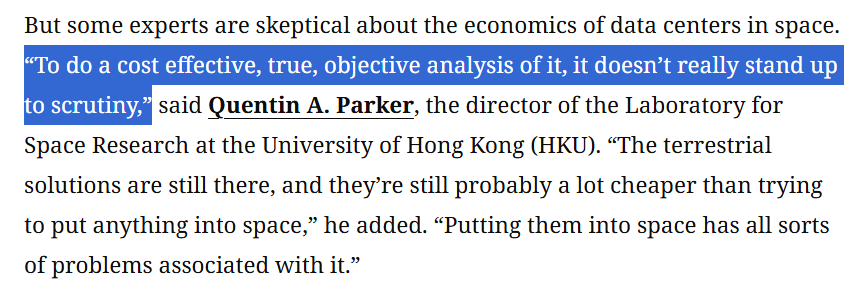
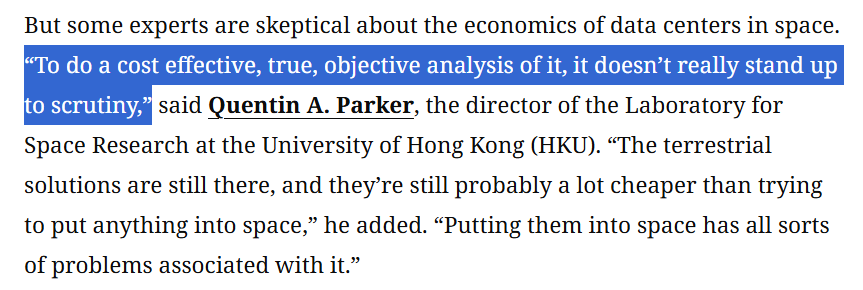
Quentin Parker, director of the Laboratory for Space Research at the University of Hong Kong, stated that objective cost analyses do not yet favor space data centers over terrestrial solutions once launch, construction, servicing, and risk are fully accounted for. Parker also highlights orbital debris, space weather, and potential counterspace weapons as additional risks that partially offset the resilience benefits of moving infrastructure off Earth.
More practical alternatives
There are simply better alternatives to surface data centers today, like underwater or offshore data centers powered by renewables may offer a more practical path to thermal headroom without requiring radiators on an extreme scale.
Where this leaves us
Launch costs, radiation exposure, cooling constraints, maintenance complexity, and other cost-increasing factors such as orbital debris, along with the lack of defensive systems against potential attacks, still make large-scale data centers in space economically unviable today.
However, there is a future for this industry. Access to continuous solar energy 24/7 makes the concept a long-term moonshot for many companies.
The question now is simple. If I wanted exposure to this market, what would I need to buy?