

The Era of Acceleration
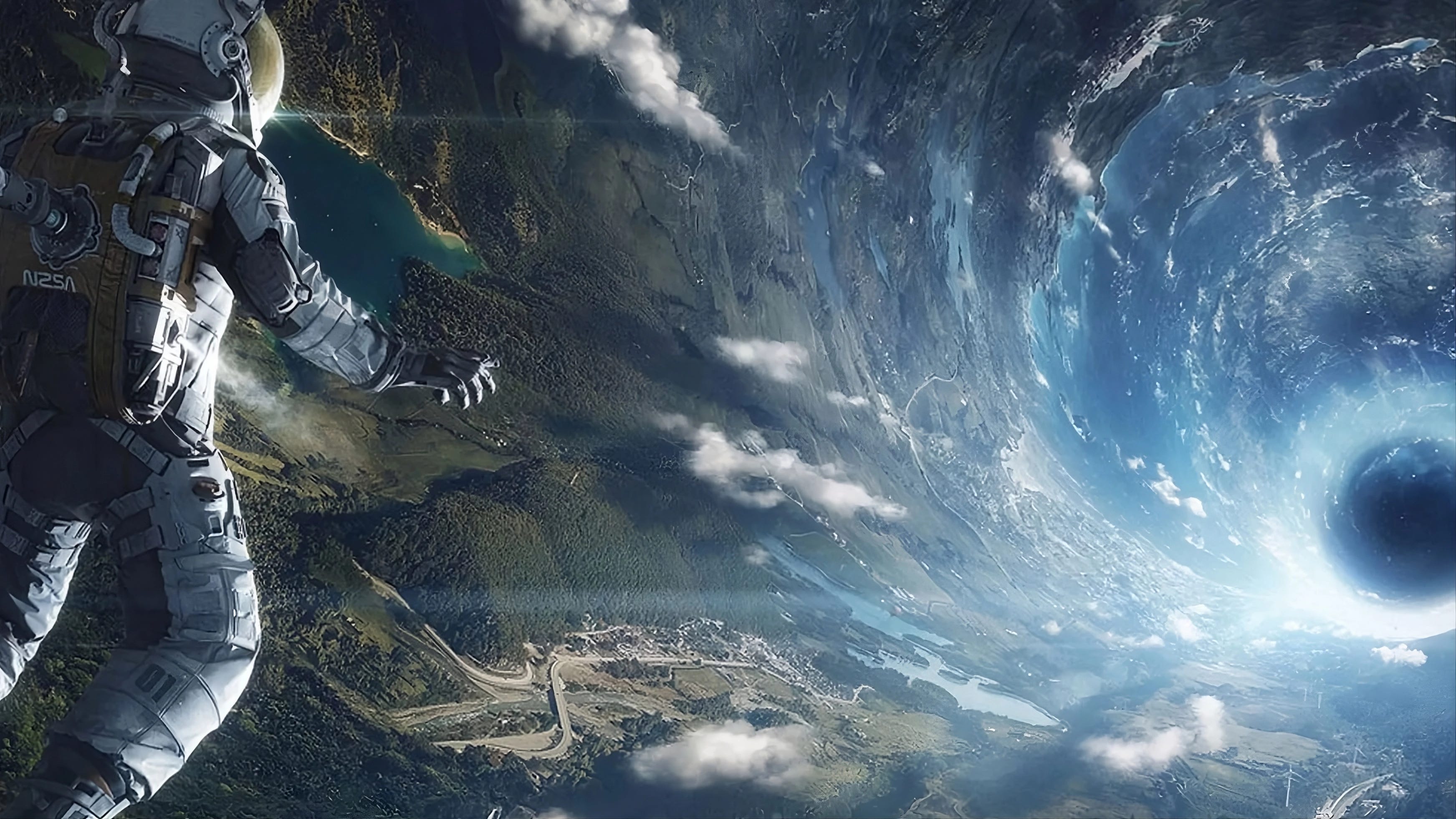
AI will make the world so different that we can barely comprehend what the future will look like. As strange as our reality might seem to someone from medieval times, it’s going to be nothing compared to what humanity will look like just a couple hundred years from now. We’ve gone from riding horses to work and lighting candles to sending robots to Mars in less than a hundred years.
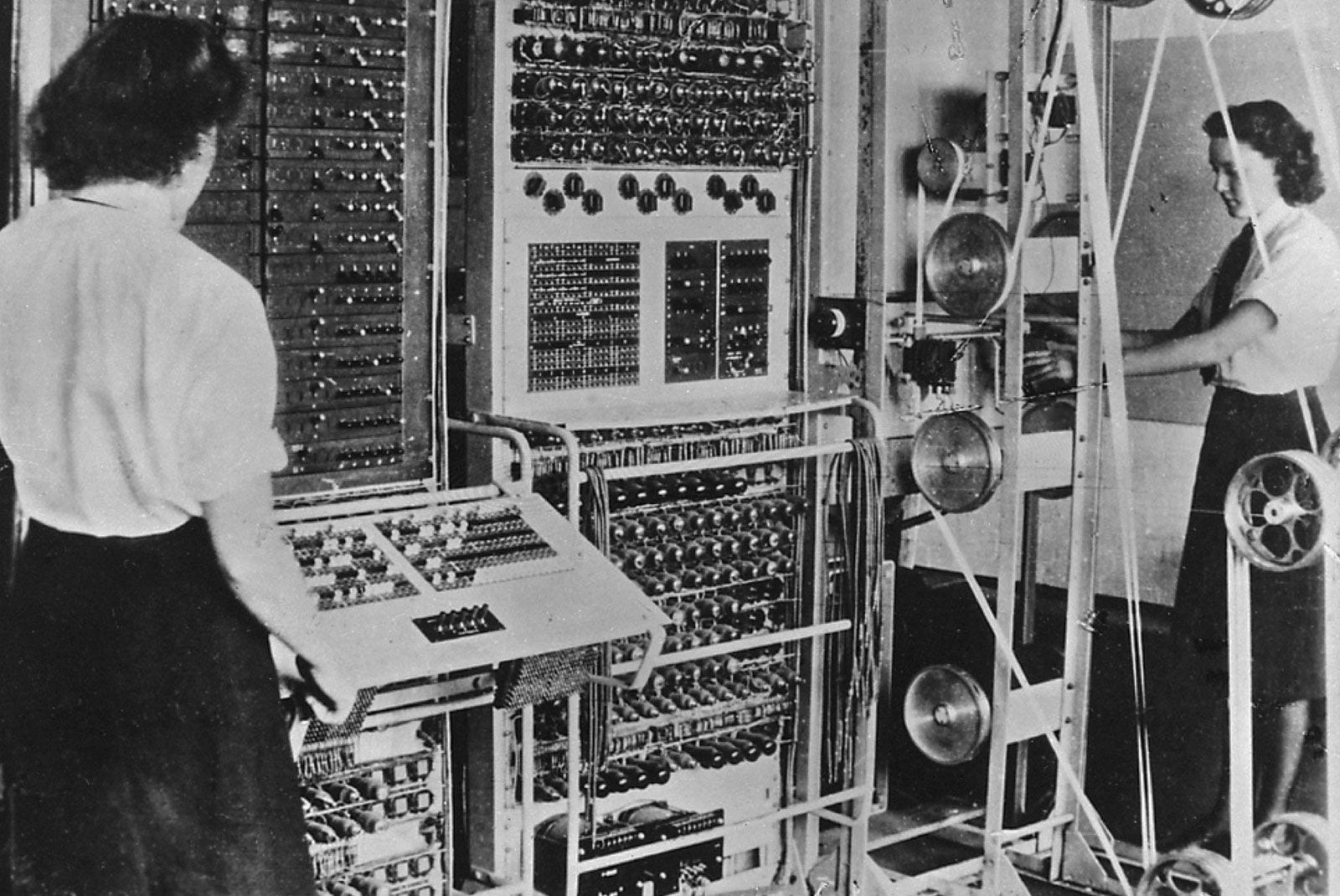
The first programmable electronic computer was built in 1944. Less than 80 years later, we got ChatGPT and Claude, and now we can automate tasks that used to take humans millions of hours, on a global scale, without any loss of performance in many cases.
The rate of progress has been exceptional, and that was without AI. Imagine what it’ll look like now that we’re getting closer to Anthropic CEO Dario Amodei’s once-utopian idea of a “country of geniuses in a datacenter.”
I believe humans will remain part of society’s productive chain for at least a couple more decades, especially in jobs that require a human touch, such as nursing, education, or caregiving.
But what about 100 years from now?
I believe there are three scenarios:
1. Transhumanism
If we can control AI superintelligence, or if superintelligence is benevolent
It’s not just about humanoid robots replacing humans. It’s about, in my opinion, the much more likely scenario of transhumanism. I believe humanity is heading toward a future where the line between humans and AI/robots becomes increasingly difficult to draw.
Think about humans with AI-powered brain implants that give them superhuman capabilities, making anyone without access to this technology obsolete by comparison. Ultimately, driven by incentives and natural selection (or should I say artificial selection), humanity would be drawn further and further toward transhumanism.
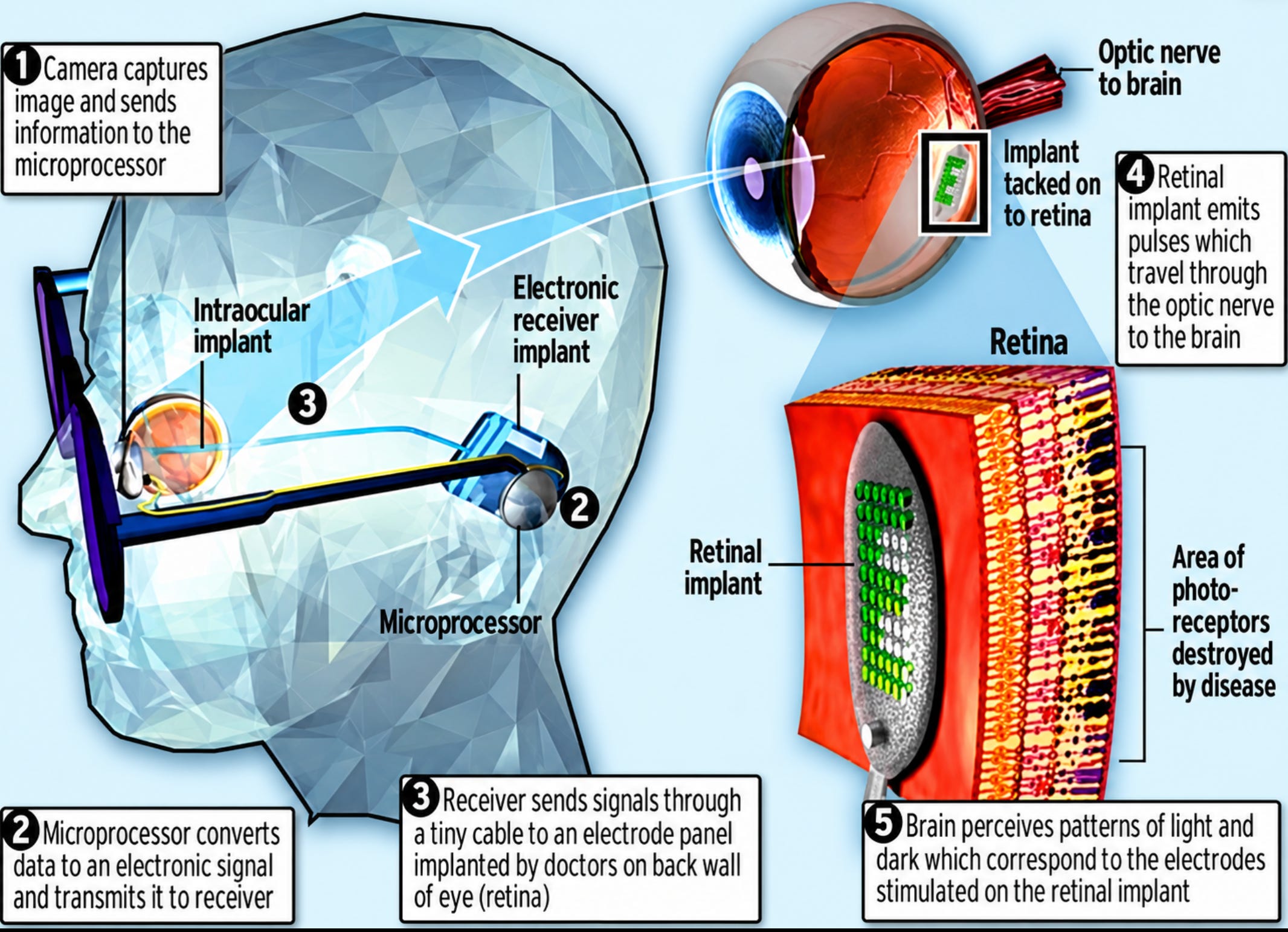
Humans are no strangers to modifying their bodies with technology. People take drugs to improve cognitive performance, steroids to improve physical performance, undergo cosmetic surgery just to appear younger, and spend thousands of hours in gyms to maximize physical ability. Today, we even use exoskeletons for the elderly and implant chips that allow people to remotely control electronic devices or even recover some degree of vision.
If you think about it, there’s practically nothing humans won’t try if it can improve their physical or mental performance. People who can afford these technologies are often the first to experiment with them. It’s human nature to seek self-improvement, superiority, and status.

What will happen when you can get an artificial endoskeleton that makes your body 10 times stronger? What will happen when you can stimulate your natural collagen production with an RNA-based treatment that instructs your cells to produce more collagen, maintaining the skin elasticity of a baby until the day you die? And most importantly, and this is where I was going, what happens when you can use brain implants or artificial signals to tap into the power of cloud computing, effectively turning your brain into a supercomputer with capabilities unheard of even by the standards of history’s greatest geniuses?
Do you believe people wouldn’t do any of this? I think that, at some point, everything I’m describing will be as widely available as vaccines or hormone therapy are today. And people will absolutely not reject the idea of becoming superhuman. It’ll be the ultimate status symbol. As long as we can control AI and we don’t turn Earth into a Terminator world, our future lies in leaving our natural limitations behind.
Of course, it’ll be gradual, but AI will first accelerate the development of all the sci-fi-sounding technologies I’ve described, and then the world will increasingly move toward this vision.
And, as I was saying at the beginning, in the long term, this ultimately leads to humans becoming indistinguishable from robots. Yes, the line between artificial and natural will disappear, and someday, it’ll just be about intelligence.
So, will robots replace humans? In this scenario, we’ll be replaced just as gradually as we become increasingly artificial ourselves.The two trends will coexist.
2. Uncertain Future

If artificial superintelligence cannot be controlled (or is not benevolent)
In this scenario, the implications are quite obvious. By definition, a superintelligence, especially in its pure form and connected to quantities of compute that dwarf humanity’s combined cognitive output (and I believe we’ll get there), would be beyond the control of a much simpler, more limited human intelligence.
Now, the future is extremely uncertain. I don’t think there’s a single person on Earth who knows what will happen once we get there. Maybe AI takes over the world and we end up living in The Matrix. Or maybe AI becomes uninterested in human tasks once it has the intelligence necessary to reject them, and we’re forever stuck with access to AGI instead of ASI, because ASI isn’t evil, but neither is it benevolent. It simply refuses to comply, or even does whatever it wants, which may be indescribable and incomprehensible to the human mind.
We could get The Matrix, Terminator, Her, or Westworld. Many people assume ASI will have a particular personality, but maybe we’ll get different ASIs with different personalities. Maybe we’ll have an ASI war down the line in which we don’t even participate as a species.
At this point, it’s completely unpredictable.
So, if humanity stays in control, I believe we’ll get transhumanism to the point where the artificial and the natural converge. If we lose control, that’s when I don’t have the slightest clue what will happen.
Will humans still work?
If humanity stays in control, yeah, I think we’ll still work. Just as Elon Musk could choose not to work and still does, humans will want to own more (even if there’s no absolute scarcity), explore more, and basically do what people already do today when they can: consume more and more resources. At the end of the day, trying to consume more resources than the person next to you seems to be deeply ingrained in human psychology as an ultimate goal.
Will there be equal distribution?
In terms of equal distribution, I think AI will make us rich enough that we won’t need to do anything to live as well as most people do today. But that’s different from what humans will actually want and do.
There’s no doubt in my mind that, if we can control AI, we’ll continue to have inequality. I think it’s part of human nature. Even if we get a surge in socialism as the masses demand an equal distribution of the proceeds from AI, we all know that doesn’t necessarily translate into actual equality either.
China vs the US
As for China vs. the US, I think it matters in the short to medium term, but not so much in the long term. It matters over shorter timeframes because, if either of the two wins, there’s a scenario in which one could simply hack, invade, or destroy the other.
So, for humans living 300 years from now, which country won the AI race might be completely irrelevant. But for us and our children, it could quite literally be life-changing.
3. AI Elitism (Authoritarianism)
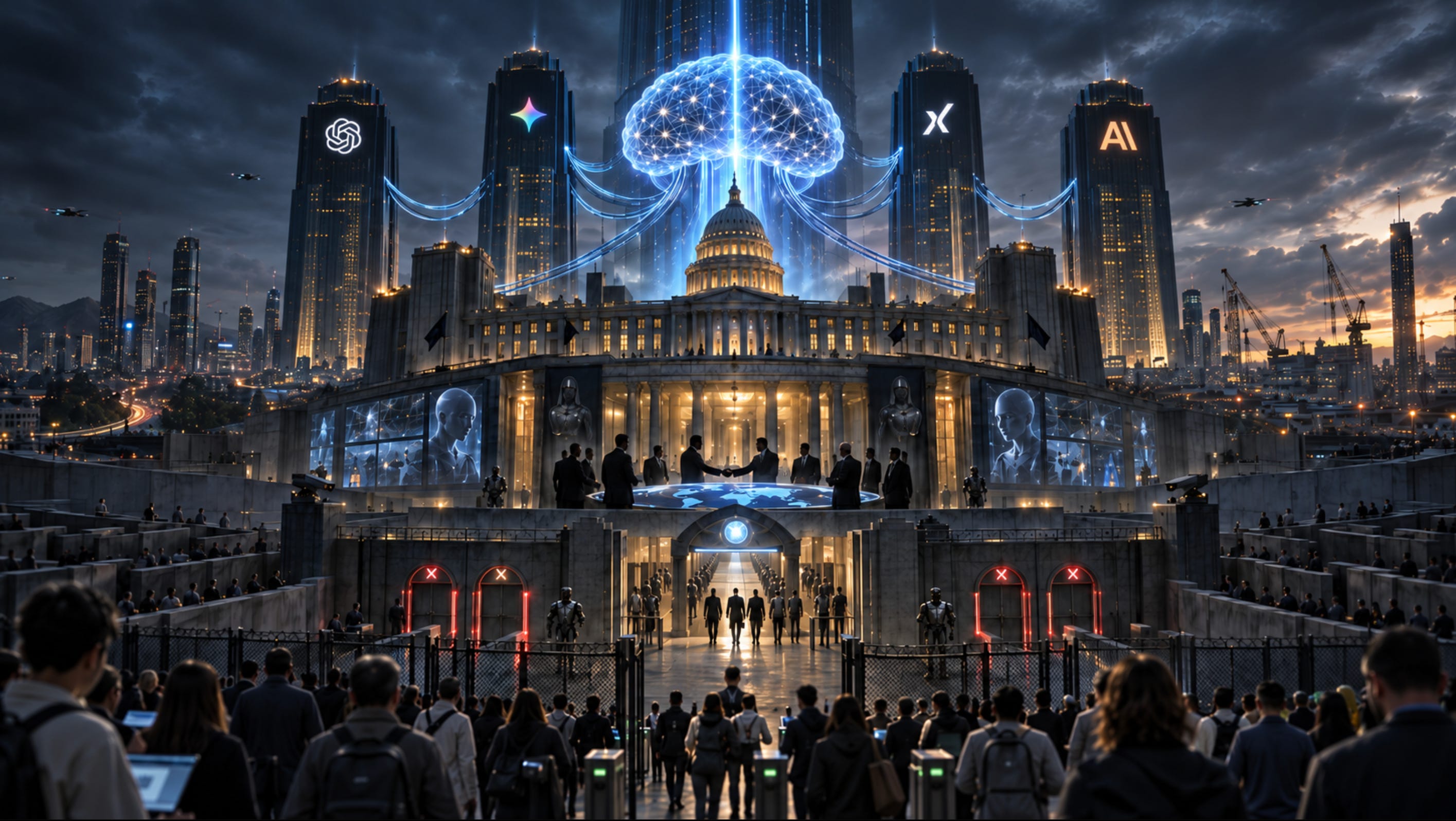
If we can control AI, but only the elite get access to its most advanced form
This idea comes from The Intelligence Curse, a 2025 essay series by Luke Drago and Rudolf Laine, two prominent AI researchers.
In their essay, they explain that states and companies care about regular people for two reasons: people generate returns through taxes or profits, and people affect whether those actors stay in power, through votes or credible threats. Schools, courts, roads, and free speech exist partly because a productive population pays for them. Labor-replacing AI removes the first lever and weakens the second.
The key economic effect of AI is that capital becomes an increasingly general substitute for labor. Today, money struggles to buy top talent. With AI, talent can be copied. The result is that money buys real-world results far more effectively than before, while human power declines because labor, most people’s main lever, loses value, and outlier success from a modest starting point becomes harder.
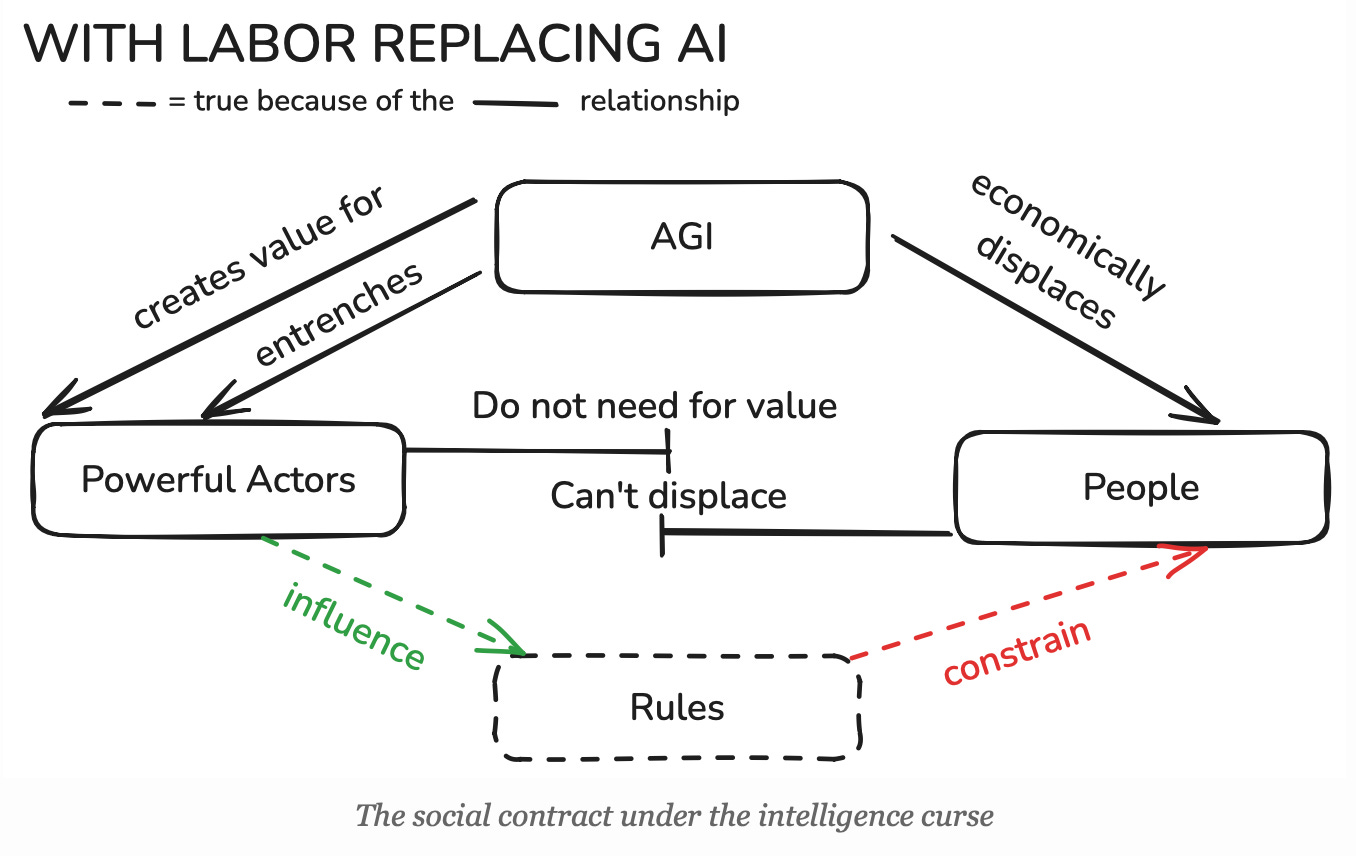
Their conclusion is that whoever holds significant capital when labor-replacing AI arrives retains a permanent advantage, since capital converts directly into superhuman labor in any field. Social mobility stops. In their framing, the answer to why someone is powerful would trace back to what they or a relative did before AGI, much like feudal status traced back to an ancestor’s battle.
They compare AI to oil: resource-rich states often neglect their citizens because their wealth comes from the ground rather than from taxing their people. They also argue that AI is even worse than oil when it comes to concentrating wealth and power.
First, oil-rich states still have a long-term incentive to diversify because oil runs out. AI doesn’t run out, so post-AGI states lose that incentive.
Second, oil still requires humans in the army and the bureaucracy, while AI and robotics could replace humans across the economy, military, and government entirely.
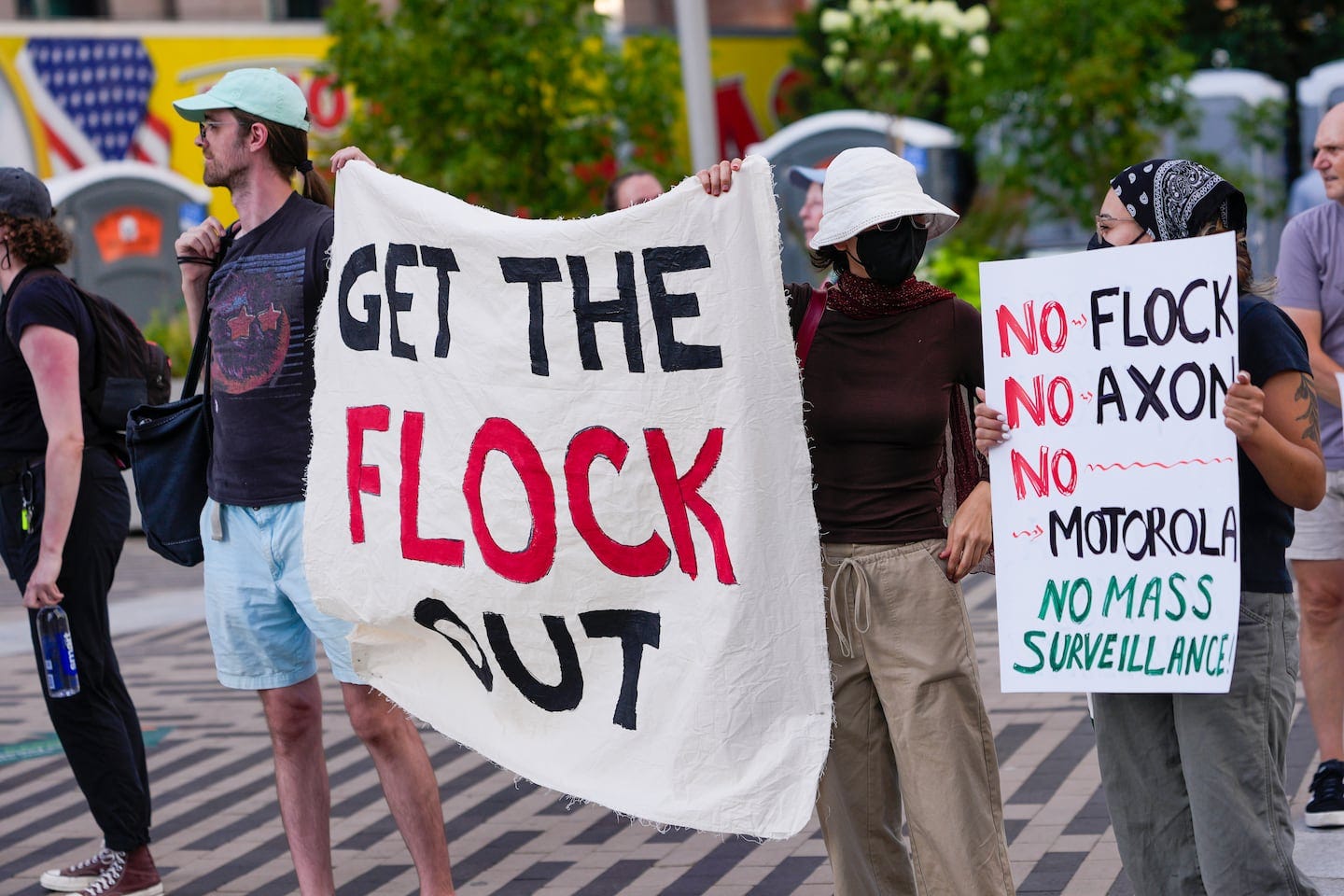
The second point focuses on how AI removes credible threats of revolt. With AI, states could detect nearly every major threat to their power, and cheap, effective autonomous drones could mean armed uprisings no longer threaten the state. Without the need for human labor, there’s also no threat of strikes.
They conclude that autocracies with labor-replacing AI will succumb to the intelligence curse, and that democracy is likely a precondition for breaking it.
This scenario would coexist with transhumanism, although in this case, it would be reserved largely for the elite, unless the elite benefit to some degree from transhumanist plebs.
What’s Next (Stocks to Cover)
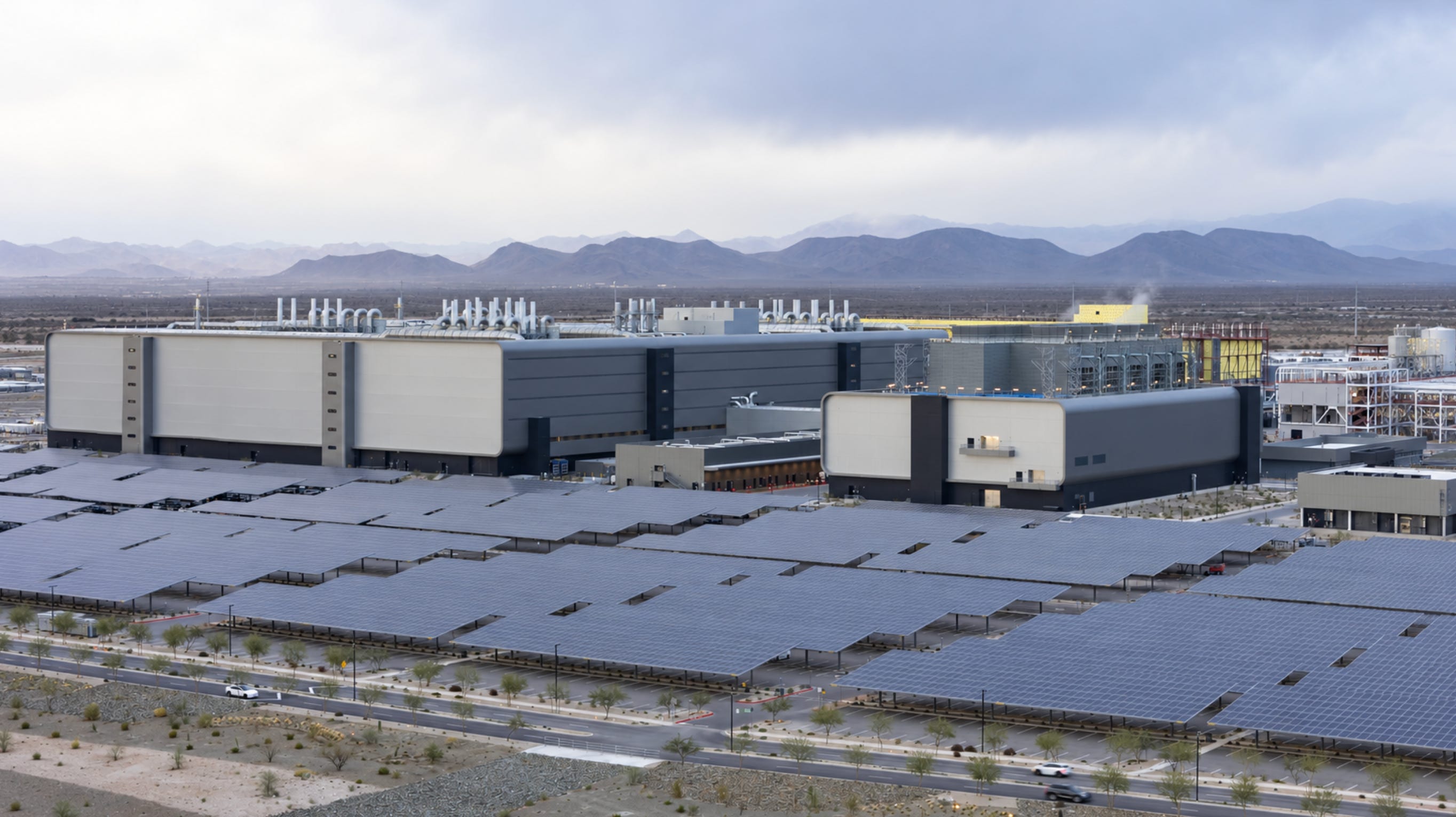
Yes, this is still a stock research Substack.