

In this article, I’ll rank Bitcoin miners from the least efficient to the most efficient.
Next, I’ll highlight the projects with the strongest potential to secure a hyperscaler deal.
Finally, I’ll share my conclusions, including valuation insights, on which companies appear to be the most compelling investments.
Energy efficiency for Bitcoin miners depends on several factors: the type of ASIC they use, the climate where their data centers are located, and most importantly, how well those data centers are built.
It may seem trivial, but high energy efficiency, particularly in mature miners, says a lot about the quality of the company and its workforce. It reflects the optimization they’ve achieved, which speaks to their perfectionism and professionalism.
This metric also serves as an indicator of how efficiently they could build AI data centers for potential hyperscaler tenants. A GPU colocator doesn’t want poorly optimized facilities that waste electricity and increase operational costs.
In this list, I also included the cost per Bitcoin mined, accounting for all expenses, not just energy, since focusing only on electricity costs ignores factors like a bloated headcount.
You’ll notice that some miners have high energy efficiency but also high costs per Bitcoin. Why is that? It often comes down to electricity prices and labor costs. Companies like Bitfarms or Hive, for instance, have operations in countries with lower labor costs such as Paraguay, which naturally reduces their total costs.
That’s why, when analyzing their potential for HPC data centers, energy efficiency is the more relevant metric. Less mature miners still deploying their ASICs and scaling their fleets will typically show lower efficiency and higher mining costs.
Overall, this metric gives you a solid baseline, but comparisons are most meaningful when you look at mature miners against other mature miners to get a true apples-to-apples comparison.
Without further delay, let’s get into the ranking, from the most efficient to the least efficient companies.
1. Iren

Cost per Bitcoin: $71,557 for Q3 FY25
Fleet efficiency: 15 J/TH
Summarized data
BTC produced: 2,039
Bitcoin mining cost of revenue (cash, excl. D&A): $79.945 million
SG&A total: $138.359 million, of which $72.4 million is stock-based compensation (non-cash)
Summarized calculations
Cash SG&A = SG&A − SBC = $138.359 million − $72.4 million = $65.959 million
Company-level cash cost pool = Bitcoin mining CoR (cash) + Cash SG&A = $79.945 million + $65.959 million = $145.904 million
Cost per BTC = $145.904 million ÷ 2,039 = $71,557
2. CleanSpark

Cost per Bitcoin: $62,700 for Q3 FY25
Fleet efficiency: 16.2 J/TH
Summarized data
BTC produced: 2,012
Cost of revenue (cash, excl. D&A): $90.128 million
Professional fees: $3.004 million
Payroll: $16.398 million
G&A: $16.566 million
Direct energy-only cost per BTC: $44,806
Summarized calculations
Cash cost pool = Cost of revenue (excl. D&A) + Professional fees + Payroll + G&A
= $90.128 million + $3.004 million + $16.398 million + $16.566 million = $126.096 millionCost per Bitcoin = $126.096 million ÷ 2,012 = $62,700
3. Hut 8

Cost per Bitcoin: $85,549 for Q3 2025
Fleet efficiency: 16.3 J/TH
Summarized data
BTC produced: 563 (by American Bitcoin, Hut 8’s majority-owned mining subsidiary)
American Bitcoin cost of revenue: $28.279 million
American Bitcoin revenue: $64.220 million
Consolidated Hut 8 revenue: $83.510 million
Consolidated SG&A: $25.858 million
Summarized calculations
Cash cost pool = American Bitcoin cost of revenue + Proportionate share of consolidated SG&A
Allocation by revenue mix: (ABTC revenue $64.220 million ÷ consolidated revenue $83.510 million = 76.9% of SG&A → $19.885 million)
Total = $28.279 million + $19.885 million = $48.164 million
Cost per Bitcoin = $48.164 million ÷ 563 BTC = $85,549
4. Cipher Mining
Cost per Bitcoin: $68,235 for Q3 2025
Fleet efficiency: ~16.8 J/TH
Summarized data
Bitcoin self-mined: ~689 BTC
Cost of revenue: $26.733 million
Compensation and benefits: $14.445 million
General and administrative: $8.167 million
Power sales credit: $2.335 million
All-in electricity cost per BTC (energy-only): $34,189
Summarized calculations
Cash cost pool = Cost of revenue + Compensation and benefits + G&A − Power sales credit
= 26.733 + 14.445 + 8.167 − 2.335 = $47.010 millionCost per Bitcoin = $47.010 million ÷ 689 = $68,235
5. Bitfarms

Cost per Bitcoin: $77,100 for Q2 2025
Fleet efficiency: 17 J/TH
Summarized data
BTC produced: 718
Direct cost per BTC: $48,200
Total cash cost per BTC: $77,100
Operating hashrate: 17.7 EH/s
Average efficiency during the quarter: 19 W/TH
Operating capacity: 410 MW
Q2 cost of revenues: $83.3 million
G&A: $21.4 million
Summarized calculations
The company-defined Total Cash Cost per BTC reflects energy, hosting, site-level cash costs, and corporate cash expenses, resulting in $77,100 per BTC for Q2 2025.
6. TeraWulf
Cost per Bitcoin: $82,260 for Q2 2025
Fleet efficiency: 18.0 J/TH
Summarized data
BTC produced: 485
Cost of revenue (excl. depreciation): $22.094 million
Operating expenses: $2.039 million
Related-party operating expenses: $1.475 million
SG&A: $9.996 million
Related-party SG&A: $4.292 million
Reported power cost: ~$0.053 per kWh
Summarized calculations
Cash cost pool = Cost of revenue (excl. D&A) + Operating expenses + Related-party operating expenses + SG&A + Related-party SG&A
= 22.094 + 2.039 + 1.475 + 9.996 + 4.292 = $39.896 millionCost per Bitcoin = $39.896 million ÷ 485 = $82,260
7. Mara Holdings
Cost per Bitcoin: $108,537 for Q3 2025
Fleet efficiency: 18.6 J/TH
Summarized data
BTC produced: 2,144
Purchased energy: $43.080 million
Third-party hosting and other energy: $75.664 million
Operating and maintenance: $26.310 million
General and administrative: $85.296 million
Taxes other than income: $2.354 million
Summarized calculations
Cash cost pool = Purchased energy + Hosting and other energy + O&M + G&A + Local taxes
= 43.080 + 75.664 + 26.310 + 85.296 + 2.354 = $232.704 millionCost per Bitcoin = $232.704 million ÷ 2,144 = $108,537
8. Hive

Cost per Bitcoin: $80,278 for Q1 FY2026 (quarter ended June 30, 2025, company-level cash basis)
Fleet efficiency: ~20 J/TH at quarter end
Summarized data
BTC produced: 406
Digital-currency mining O&M (cash): $26.843 million
Cash SG&A: $5.750 million
Reported fleet efficiency: ~20 J/TH (Phase 1 completed in June)
Summarized calculations
Cash cost pool = Digital-currency mining O&M ($26.843 million) + Cash SG&A ($5.750 million) = $32.593 million
Cost per Bitcoin = $32.593 million ÷ 406 = $80,278
9. Riot Platforms

Cost per Bitcoin: $72,621 for Q3 2025
Fleet efficiency: 20.5 J/TH
Summarized data
BTC produced: 1,406
Bitcoin mining cost of revenue: $95.765 million
Power curtailment credits: $(30.634 million)
SG&A total: $69.832 million
Non-cash stock-based compensation included in SG&A: $32.858 million
Cash SG&A used in calculation: $36.974 million
Summarized calculations
Cash cost pool = Mining cost of revenue − Power credits + Cash SG&A
= 95.765 − 30.634 + 36.974 = $102.105 millionCost per Bitcoin = $102.105 million ÷ 1,406 = $72,621
10. Bitdeer

Cost per Bitcoin: $84,559 for Q2 2025
Fleet efficiency: 25.7 J/TH
Summarized data
BTC produced (self-mining): 565
Self-mining electricity cost: $33.4 million
Other self-mining costs: $6.7 million
Depreciation and stock-based compensation in CoR (excluded): $14.5 million
G&A (total): $20.138 million
Revenue: $155.6 million total; $59.3 million from self-mining (for G&A allocation ratio)
Summarized calculations
Allocation ratio (self-mining share of revenue): 59.3 ÷ 155.6 = 38.1%
Cash cost pool = Self-mining electricity + Self-mining other + Allocated G&A
= 33.4 + 6.7 + (20.138 × 38.1% = 7.676) = $47.776 millionCost per Bitcoin = $47.776 million ÷ 565 = $84,559
11. Soluna

Cost per Bitcoin: $144,648 for Q2 2025
Fleet efficiency: 27 J/TH
Summarized data
BTC mined (Apr–Jun 2025): 28.6
Cost of cryptocurrency mining (cash, excl. D&A): $1.767 million
Corporate G&A (cash, excl. D&A): $5.152 million (company-level)
Bitcoin mining share of total revenue: ~46% for the quarter
Summarized calculations
Allocated G&A to mining: 46% × $5.152 million = $2.370 million
Mining cash pool: $1.767 million + $2.370 million = $4.137 million
Cost per Bitcoin: $4.137 million ÷ 28.6 = $144,648
12. DigiPowerX

Cost per Bitcoin: $102,235 for H1 2025
Fleet efficiency: Not disclosed
Summarized data
BTC mined: 23 (six months ended June 30, 2025)
Mining segment cost of revenue: $1.111 million
G&A (six months): $9.988 million total
Revenue mix (H1 2025):
Mining: $2.161 million
Colocation: $9.570 million
Sale of energy: $5.657 million
Total: $17.388 million
Summarized calculations
Mining revenue share: 2.1606 ÷ 17.3880 = 12.43% of total
Allocated G&A to mining: 12.43% × $9.988 million = $1.241 million
Cash cost pool (mining): $1.111 million + $1.241 million = $2.352 million
Cost per Bitcoin: $2.352 million ÷ 23 = $102,235
Note: All calculations exclude depreciation and non-cash expenses. If the company generates non-Bitcoin mining revenue, a proportional SG&A allocation is applied.
Takeaways
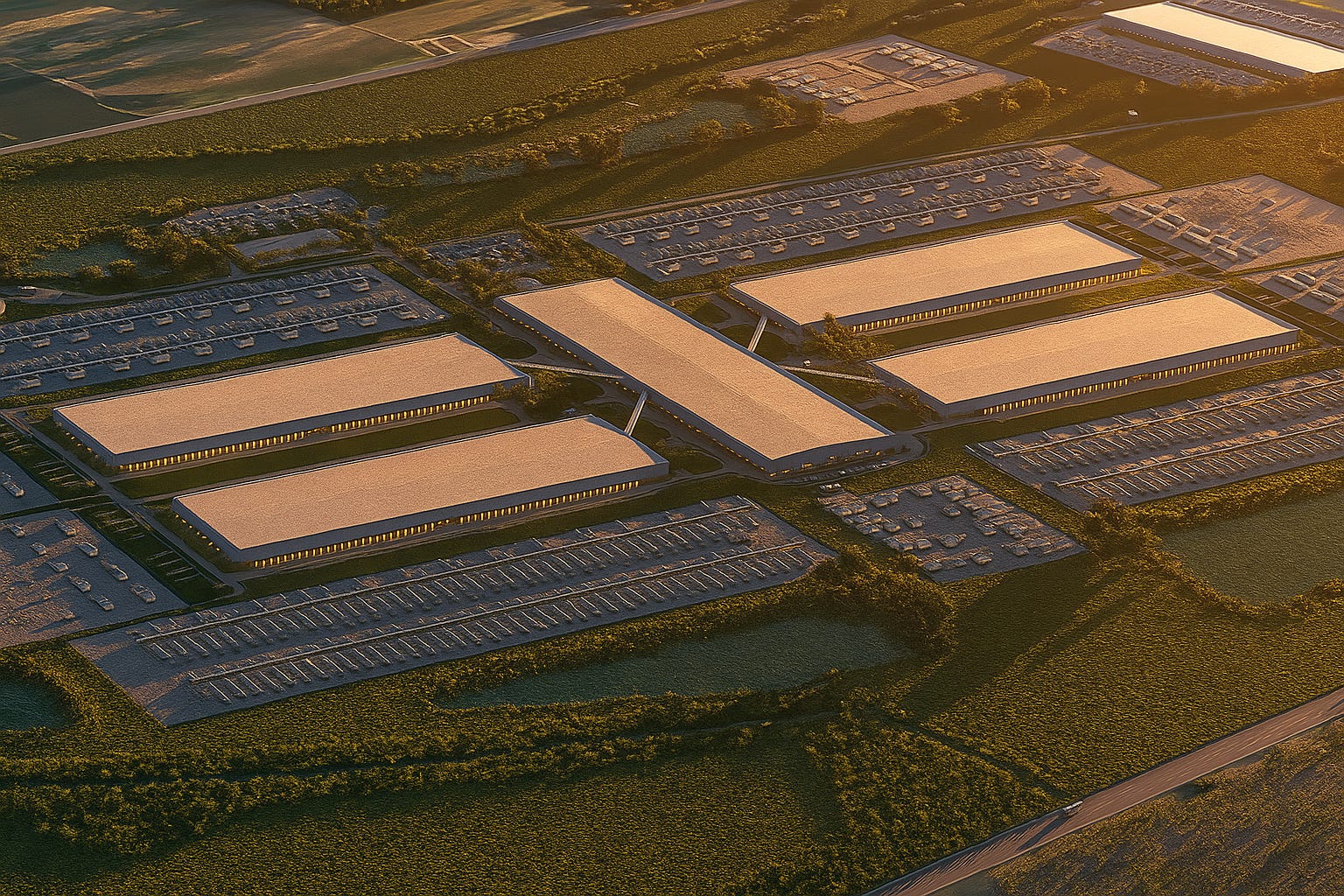
As seen above, Iren, CleanSpark, Hut 8, Cipher, and Bitfarms achieve the best fleet efficiencies among all miners. The performance of Iren is particularly impressive, showing a clear leadership position in both optimization and operational discipline.
It is no coincidence that these names are now viewed as leaders in the mining sector. Meanwhile, TeraWulf, Riot, and Marathon leave something to be desired, especially the last two, which despite their large scale, display underwhelming efficiency.
This issue is visible in Riot’s new HPC-targeted data center in Corsicana, which is being designed with a PUE (Power Usage Effectiveness) of 1.5, notably less competitive than the 1.1 PUE achieved by Iren or Applied Digital. Analysts highlighted this point during the earnings call, and the market reaction showed that it was not well received.
Even more surprising is Bitdeer, which despite being a supplier of Bitcoin ASICs, operates with poor fleet efficiency. This results from subpar optimization and an outdated mining fleet.
Soluna shows the lowest energy efficiency, largely due to its small scale and limited maturity as a Bitcoin miner.
Lastly, DigiPowerX stands out as the only company that does not disclose fleet efficiency, making it difficult to accurately assess its operational performance.